Presentation Overview
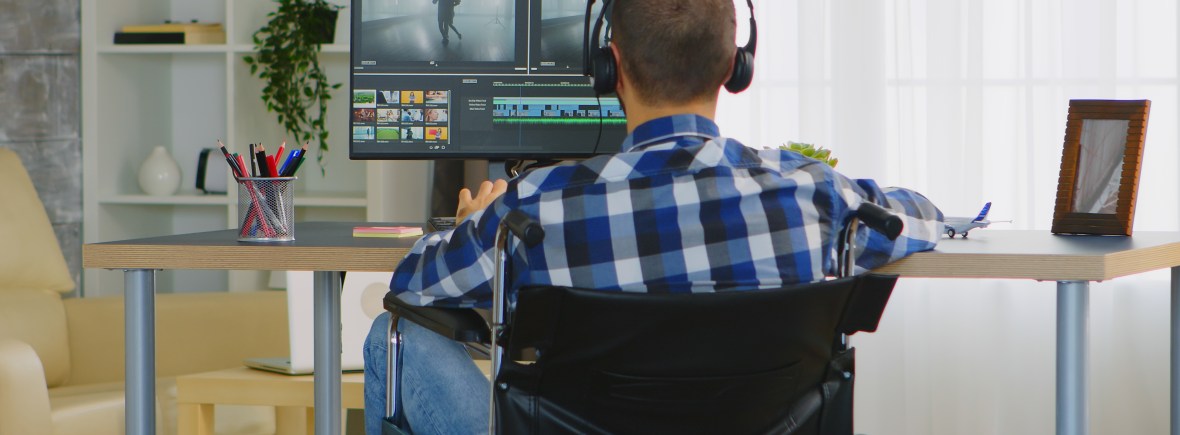
Media plays a powerful role in shaping public perceptions of disability. From film and television to news coverage, social media, and advertising, portrayals of people with disabilities influence attitudes, expectations, and behaviors both inside and outside the classroom. Unfortunately, disability is often represented through stereotypes, inspiration narratives, or exclusion, reinforcing prejudice and contributing to barriers faced by students with disabilities in higher education.
In this engaging and research-informed presentation, Dr. Davi Kallman examines how media literacy can serve as a powerful tool for reducing disability prejudice and fostering more inclusive post-secondary learning environments. Participants will explore common disability stereotypes in media, analyze how these portrayals influence bias and decision-making, and learn strategies for critically evaluating media messages through a disability studies lens.
Drawing from communication research, media literacy, disability studies, and higher education, this presentation equips educators, administrators, and students with practical tools to challenge stereotypes, promote authentic representation, and cultivate more inclusive campus communities.
Learning Outcomes
Participants will:
- Understand how media representations influence attitudes toward disability and inclusion.
- Identify common disability stereotypes and tropes found in film, television, news media, advertising, and social media.
- Examine the relationship between media literacy and prejudice reduction in post-secondary education.
- Analyze disability representation using principles of critical media literacy.
- Recognize how media narratives shape campus culture, expectations, and interactions with students with disabilities.
- Develop strategies for promoting authentic disability representation in educational settings.
- Apply media literacy concepts to foster more inclusive teaching, learning, and campus engagement.
Ideal Audience
This presentation is designed for:
- Colleges and universities
- Faculty and instructors
- Student affairs professionals
- Disability services professionals
- Diversity, equity, inclusion, and belonging (DEIB) professionals
- Communication and media studies programs
- Education faculty and students
- Higher education administrators
- Academic advisors
- Graduate and undergraduate students
- Professional associations
- Anyone interested in disability representation, media literacy, and inclusive education
Length Options
30-Minute Session
A concise keynote introducing the relationship between media representation, disability prejudice, and media literacy in higher education.
60-Minute Workshop
A comprehensive presentation featuring current research, media examples, and practical strategies for recognizing and challenging disability stereotypes.
90-Minute Interactive Workshop
An engaging session that incorporates media analysis, group discussion, case studies, and interactive activities to help participants apply media literacy principles to disability representation.
Half-Day Professional Development
A comprehensive training exploring disability representation across multiple forms of media while equipping participants with practical tools for reducing bias, strengthening critical media literacy skills, and creating more inclusive educational environments.
Custom keynote, conference, faculty development, classroom workshops, and higher education trainings are available upon request.
Book This Presentation
Interested in bringing The Role of Media Literacy in Reducing Disability Prejudice in Post-Secondary Education to your organization or event?
Whether you’re planning a faculty development program, communication conference, higher education workshop, student leadership event, or campus-wide professional development session, this presentation can be customized to address the goals and needs of your audience.
Book this presentation today by visiting the Contact page. Together, we can explore how critical media literacy can reduce disability prejudice, challenge stereotypes, and create more inclusive learning environments for all students.